


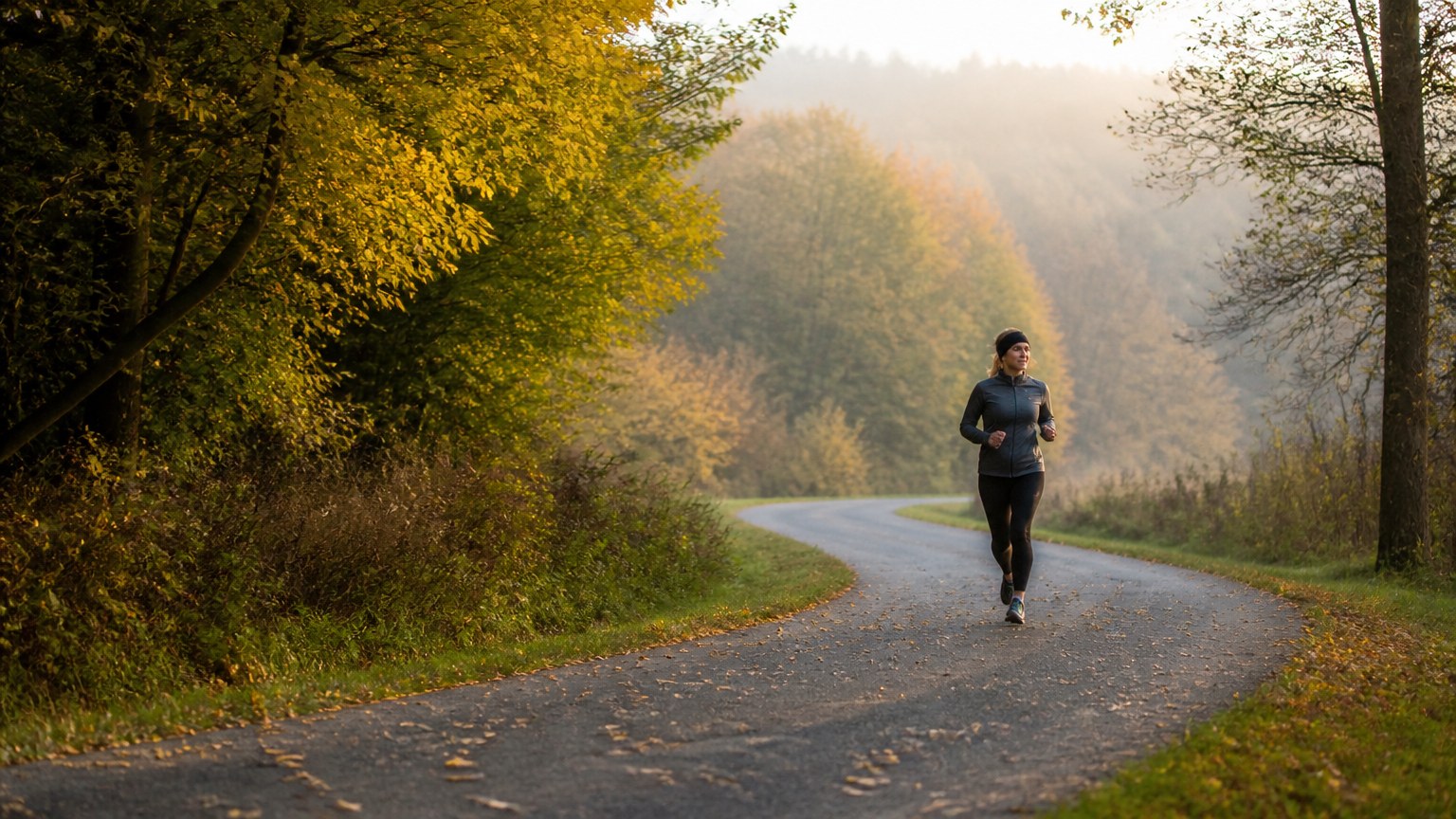
Lexington is known for horses, bourbon, and college sports. What gets less attention is how well the city supports people who train hard and want to keep moving. Paved trails, busy gyms, and a growing number of recovery studios make it easy to build recovery into an ordinary week here.
Trails and Parks That Keep Lexington Moving
The Legacy Trail is the centerpiece. It runs about eight paved miles between the Kentucky Horse Park and the YMCA on West Loudon Avenue, with parking at the trailhead and at Coldstream Park. The surface is smooth and wide, so runners, cyclists, and skaters share it without fighting traffic. Town Branch Trail adds another stretch near Masterson Station Park, and Veterans Park has a mountain bike loop for riders who want dirt. Raven Run Nature Sanctuary sits a short drive southeast with more than ten miles of hiking. People in Lexington move a lot, and moving a lot is exactly what creates the need for recovery.
Recovery Is Already Part of the Local Culture
The city’s recovery scene grew up around its athletes. The University of Kentucky puts competitive sports in the middle of town, Keeneland runs two race meets every year, and the surrounding horse farms employ people who spend their days on their feet. That mix of college athletes, riders, runners, and weekend cyclists created steady demand for sauna and cold plunge studios, compression therapy, physical therapy clinics, and therapeutic massage. Recovery is not treated as an indulgence here. It is treated as part of the training week.
Where Massage Therapy Fits In
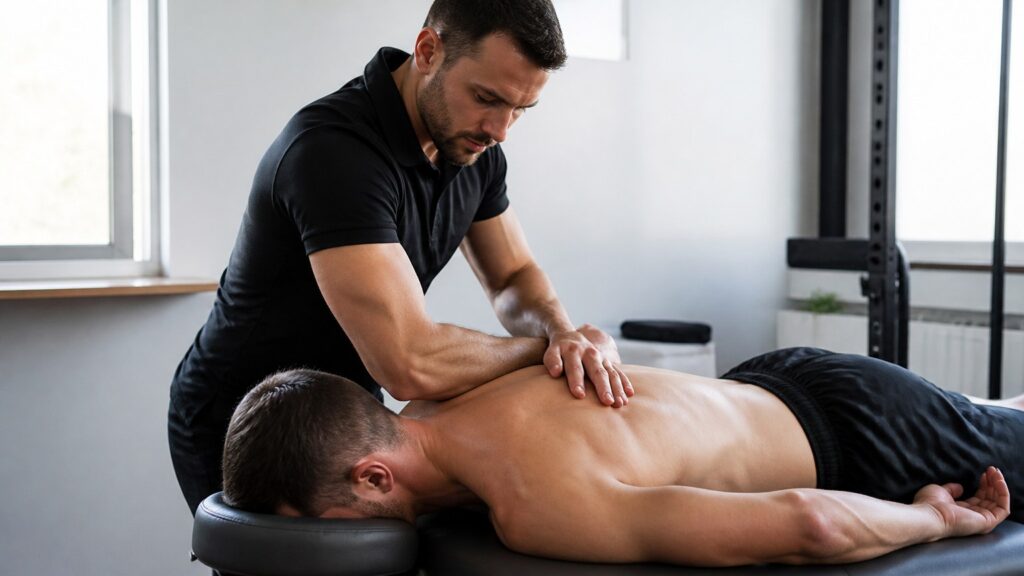
Massage is the recovery tool that pairs with everything else Lexington offers. A deep tissue session reaches tension that stretching alone will not release, and it improves circulation so sore tissue gets the blood flow it needs to rebuild. For runners on the Legacy Trail, riders at Keeneland, or anyone whose job keeps them standing, regular bodywork protects range of motion and keeps small problems from turning into injuries. It is also why athletes treat massage as injury prevention rather than a reward.
At Massage Strong, every session is built around what the client is actually doing, with 60, 90, and 120 minute options and add ons like cupping when tissue needs more than hands alone. Massage therapy is not a luxury service limited to spas and resorts. It is an essential, everyday therapy for pain management and body maintenance.
How to Build Recovery Into Your Week
Start with what you will actually keep. If you are new to bodywork, book a 60 minute session and pay attention to how you feel over the next few days. If you train five days a week, a standing appointment every two to four weeks keeps you ahead of the tension instead of chasing it. Book a session at Massage Strong in Lexington or Nicholasville and see what your body does with regular care.